Marktinformationen
Zum Charter ab St Barth
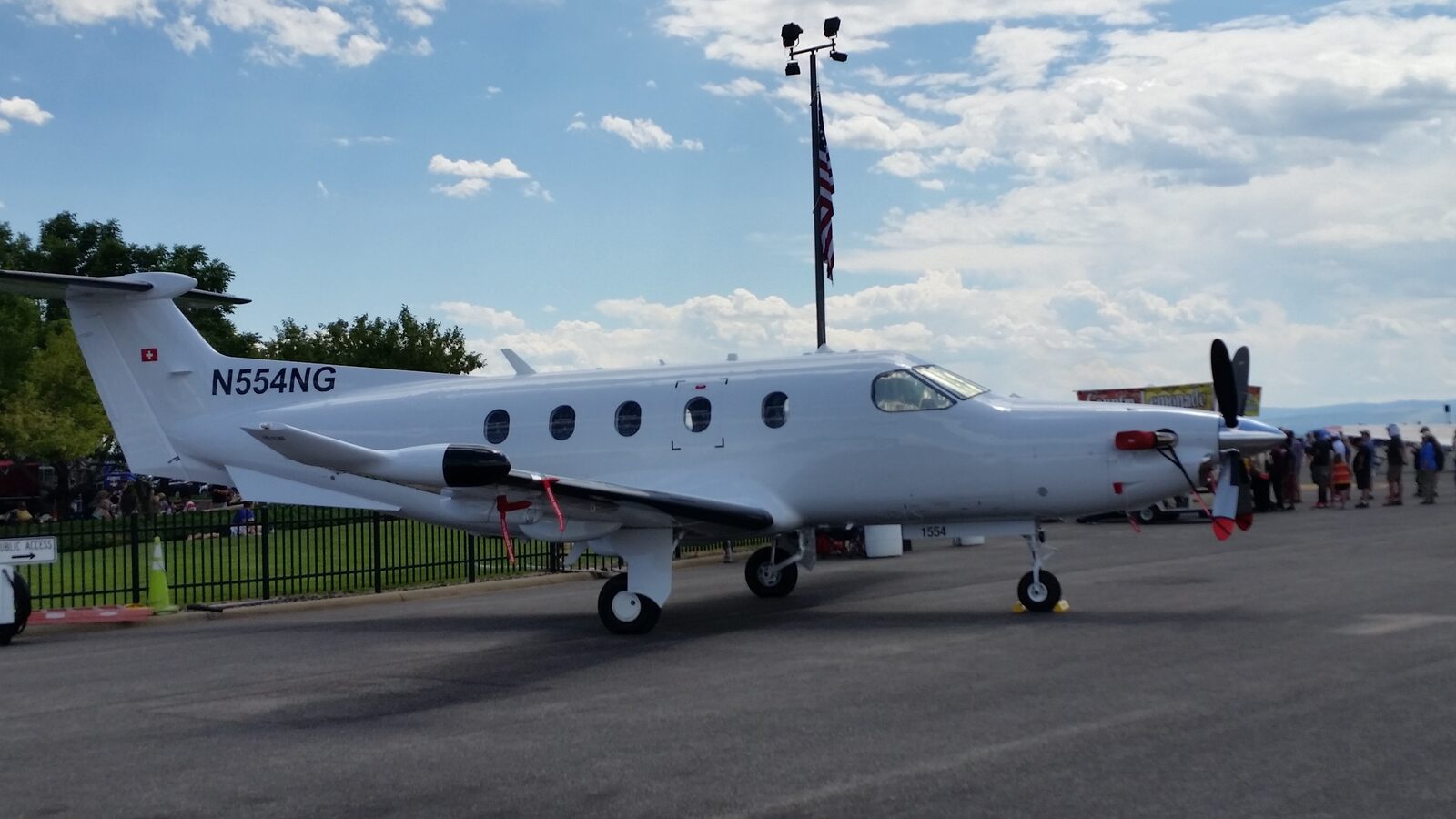
St Barth is the clearest example on our network of a destination priced by logistics rather than distance. Gustaf III Airport's 646-metre runway ends at a beach and the approach drops steeply over the Col de la Tourmente ridge, one of the more photographed sequences in commercial aviation and one of the more demanding for the pilots flying it. No jet of any size is permitted to land here. Every mission, regardless of origin, ends with a short hop on a certified Pilatus PC-12, Twin Otter, or Islander.
Airport selection for St Barth is really about choosing the long-haul gateway, not the final destination, since SBH itself is fixed for the last leg. Sint Maarten is the standard choice for the vast majority of missions from Europe and the US East Coast, with full jet-class capacity and the shortest PC-12 connector at 15 minutes. San Juan works for clients already routing through Puerto Rico or wanting US customs pre-clearance before the final hop. We coordinate the connector's timing against the inbound jet's arrival so passengers are not left waiting at SXM or SJU.
Pricing structure here differs from every other destination we cover because it is genuinely two flights priced as one mission. The headline figures on our St Barth routes, for example 34,000 to 44,000 USD from New York, cover both the long-haul jet segment and the PC-12 hop; quoting the SBH leg alone without the gateway flight would understate the real cost of the trip by an order of magnitude. Winter high season adds a further layer: PC-12 shuttle capacity at SXM is genuinely finite, and during Christmas week it sells out days in advance regardless of how flexible the long-haul jet schedule is.
Seasonality is sharply concentrated around the Northern winter. Christmas through New Year is the extreme peak, when both aircraft and connector capacity are stretched to their limit and pricing reflects it. The St Barth Bucket regatta in March and the Presidents Day week in February each add a secondary spike. Outside mid-December to mid-April, demand drops substantially, though the airport's physical constraints, daylight-only VFR operation and the 646m runway, remain exactly the same year-round.