Marktinformationen
Zum Charter ab Kuala Lumpur
Kuala Lumpur verfügt über einen der saubersten Flughafenaufteilungen in Asien für die private Luftfahrt. Subang, westlich der Stadt, ist der Zielort der Geschäftsflugzeuge. KLIA, 45 km südlich, ist der Zielort der Fluggesellschaften. Das SkyPark Business Aviation Center in Subang wurde am 7. August 2008 im Rahmen einer Untermietkonzession eröffnet, die im Jahr zuvor dem Subang SkyPark gewährt wurde, und es werden nun durchschnittlich rund 30 Privatjetbewegungen pro Tag durchgeführt, was im regionalen Vergleich ein wirklich dichter Betrieb ist.
Die Anlage ist mehr als eine Lounge. Es kombiniert ein FBO mit einem Hangarkomplex des Regional Aviation Center, betreibt ein 24-Stunden-Einsatzzentrum und erledigt Zoll-, Einwanderungs- und Quarantänevorschriften vor Ort, mit Ruheeinrichtungen für Besatzung und Passagiere sowie Bordverpflegung. Die Start- und Landebahn 15/33 auf 3.780 m ist für alle Business-Jet-Klassen geeignet, einschließlich Ultralangstreckenflugzeugen bei normaler Belastung. Nur ein Abflug mit maximaler Treibstoffmenge nach London oder an die US Westküste ist ein echtes Argument für die 4.019 m von KLIA.
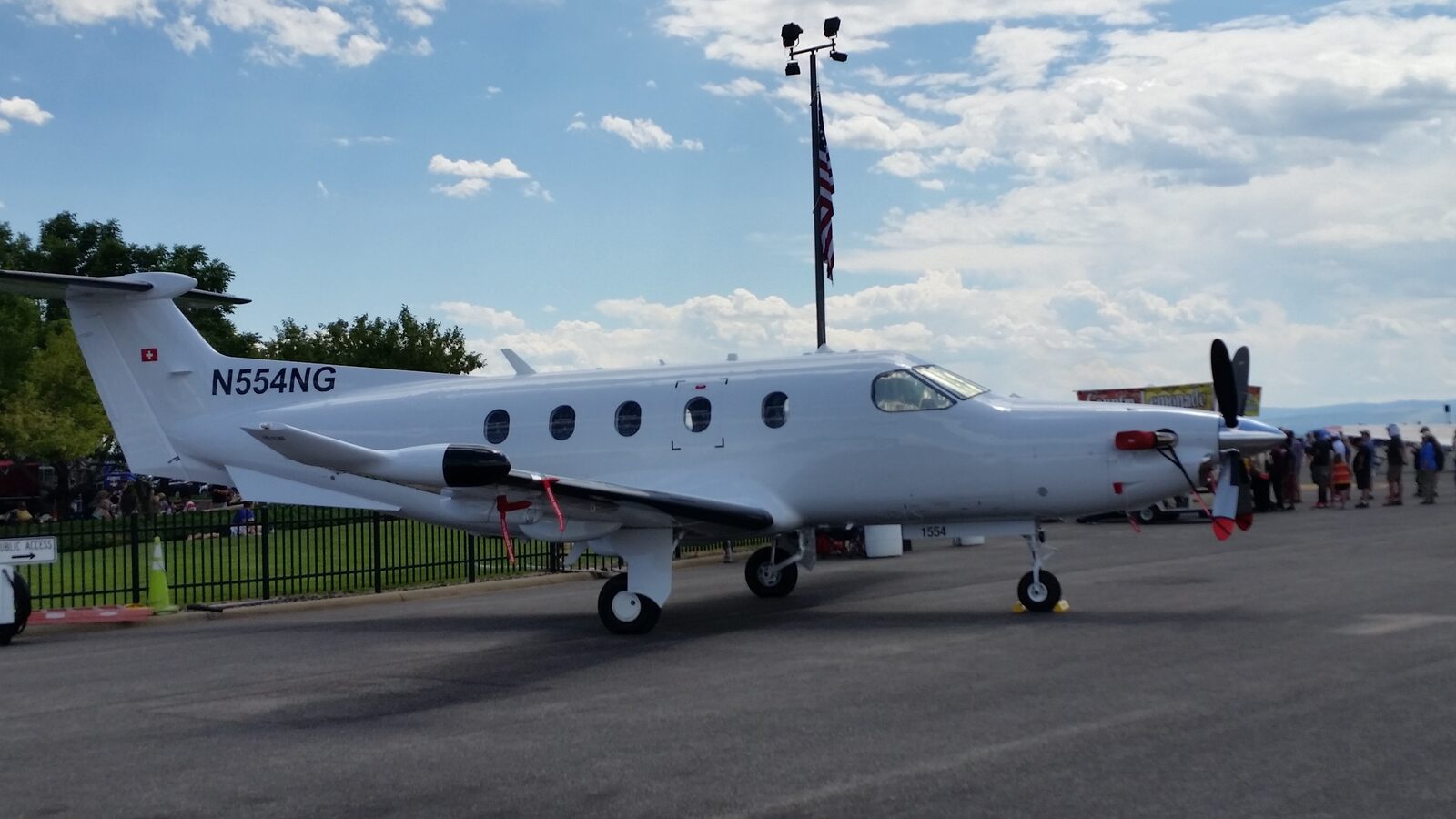
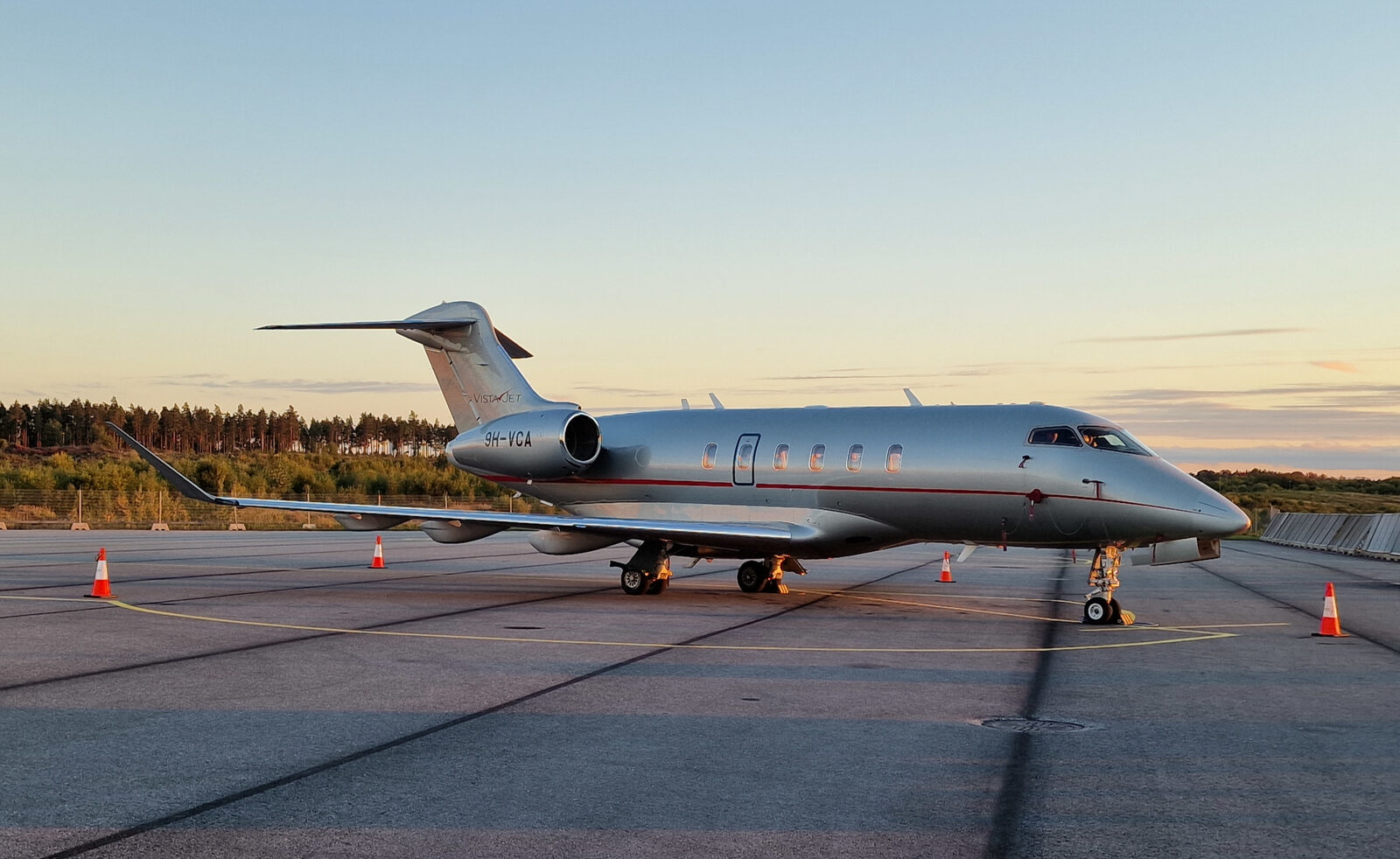
Was Subang von den meisten asiatischen Geschäftsluftfahrtbereichen unterscheidet, ist die Tiefe des Ökosystems rund um das FBO. VistaJet eröffnete hier 2008 sein asiatisches Drehkreuz. ExecuJet und Hawker Pacific sind beide auf dem Flugplatz tätig, und Dnest Aviation Services verfügt über mehr als 100.000 Quadratfuß Hangarfläche. Diese Kombination aus stationärer Flotte, Wartung und Hangarage bedeutet, dass sich Flugzeuge oft bereits in Kuala Lumpur befinden, anstatt von Singapore oder Hongkong aus positioniert zu werden, wobei der Leerflug zur Rechnung hinzugerechnet wird.
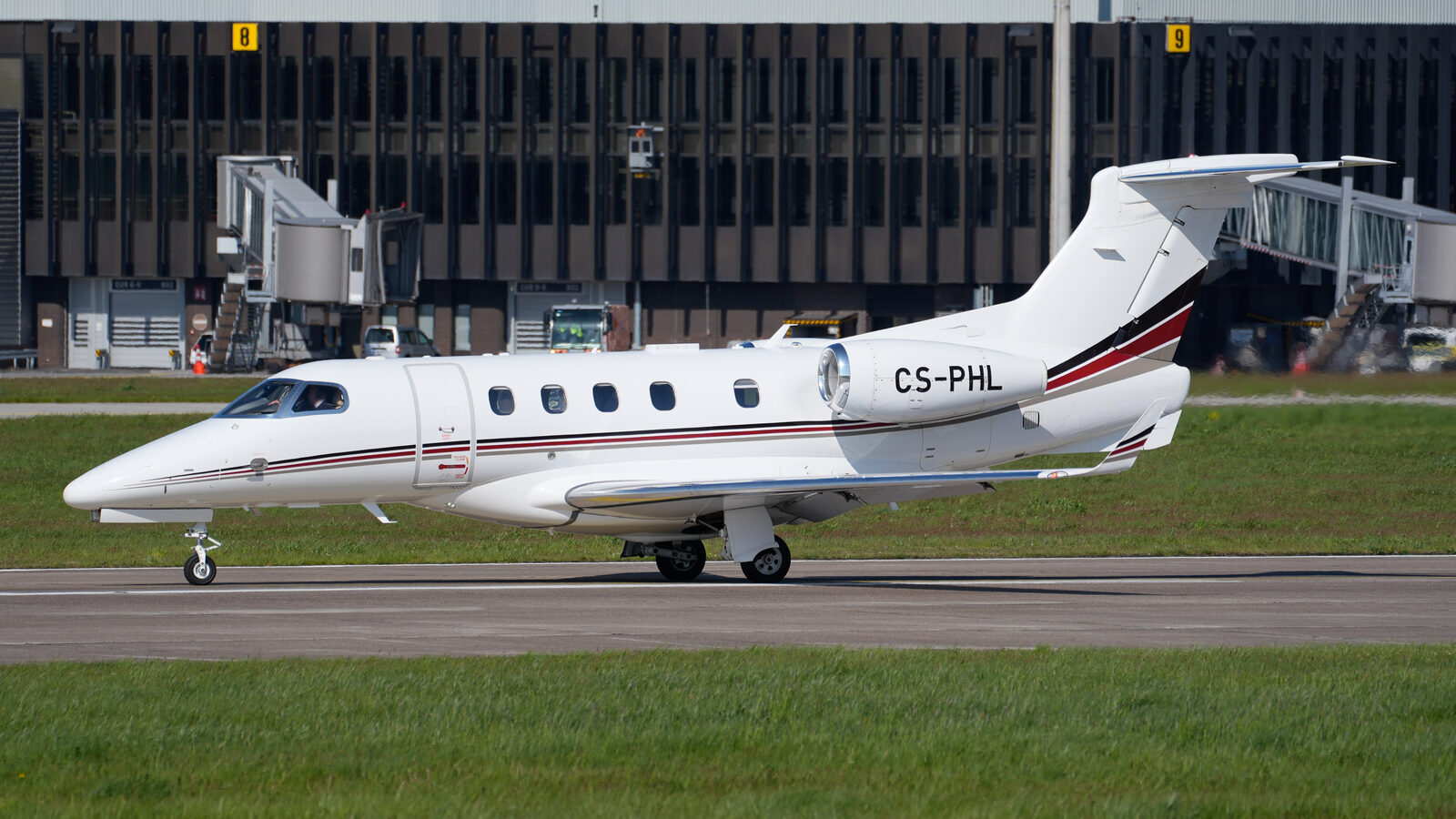
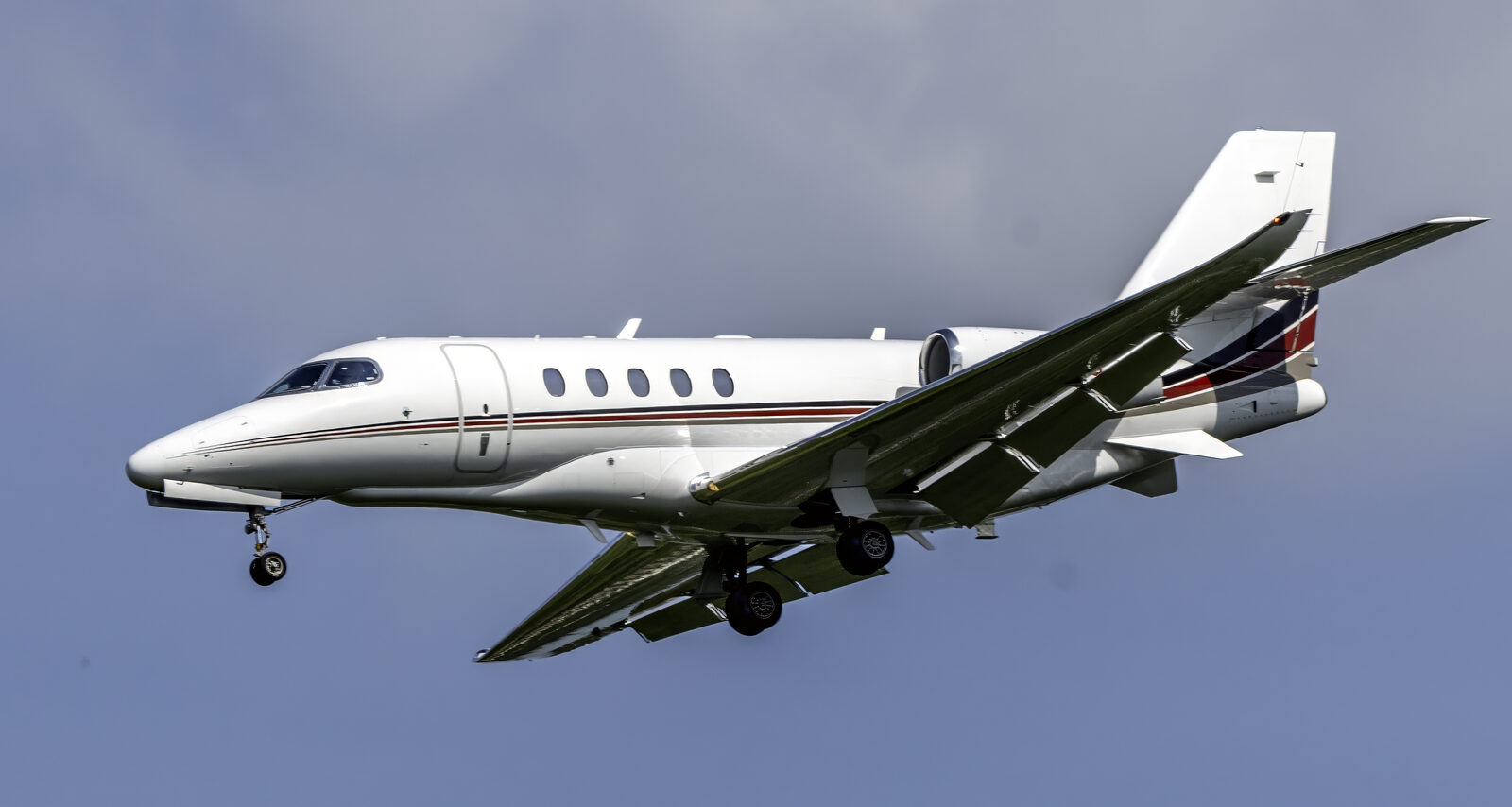
Das Routenmuster ist stark von kurzen Abschnitten geprägt. Singapore ist weniger als eine Stunde entfernt, Penang 45 Minuten, Langkawi eine Stunde, Phuket und Bangkok weniger als zwei Stunden, Jakarta ähnlich. Den Großteil dieser Arbeit erledigen Leichtflugzeuge. Bali, Kota Kinabalu und Ho-Chi-Minh-Stadt erhöhen die Nachfrage auf mittlere Distanzen, Hongkong und Perth auf supermittlere Distanzen, und Dubai ist mit rund acht Flugstunden der Referenzsektor für Ultralangstreckenflüge. KLIA bleibt mit 408.154 Bewegungen gegenüber 63.121.653 Passagieren im Jahr 2025 der Ersatz für die Handvoll Missionen, die Subang nicht mit voller Belastung bewältigen kann.