Marktinformationen
Zum Charter ab Bogota
Bogota wird durch eine Zahl definiert, die nichts mit Verkehr zu tun hat: 2.548 m Feldhöhe. El Dorado International ist einer der höchstgelegenen großen Flughäfen Amerikas und dünne Luft verändert die Arithmetik jedes Abflugs. Motoren erzeugen weniger Schub, Flügel erzeugen weniger Auftrieb und die für ein bestimmtes Gewicht erforderliche Landebahn wächst. Der Flughafen kompensiert dies mit zwei parallelen 3.800 m langen Start- und Landebahnen, weshalb Ultralangstreckenabflüge hier funktionieren, während dies auf einem kürzeren Andenfeld nicht der Fall wäre, aber die Flugzeugklasse für einen langen Abschnitt muss immer noch unter Berücksichtigung der Höhe ausgewählt werden.
El Dorado ist auch der verkehrsreichste Flughafen Südamerikas nach Flugbewegungen und verzeichnete im Jahr 2024 360.589 Flugbewegungen und 45,8 Millionen Passagiere. Die private Luftfahrt berührt die Passagierterminals nicht. Es funktioniert von einer speziellen Zone für die allgemeine Luftfahrt auf dem Feld aus, die über die CATAM-Seite zugänglich ist, wo Helicol eine FBO im Hangar 19 betreibt und Aerosupport eine Einrichtung auf der Avenida El Dorado neben Colombia FBO und Rio Sur betreibt. Welches FBO Sie verwenden, bestimmt das Tor, die Rampenposition und die Bodenzeiten, daher lohnt es sich, die Wahl bewusst zu treffen.
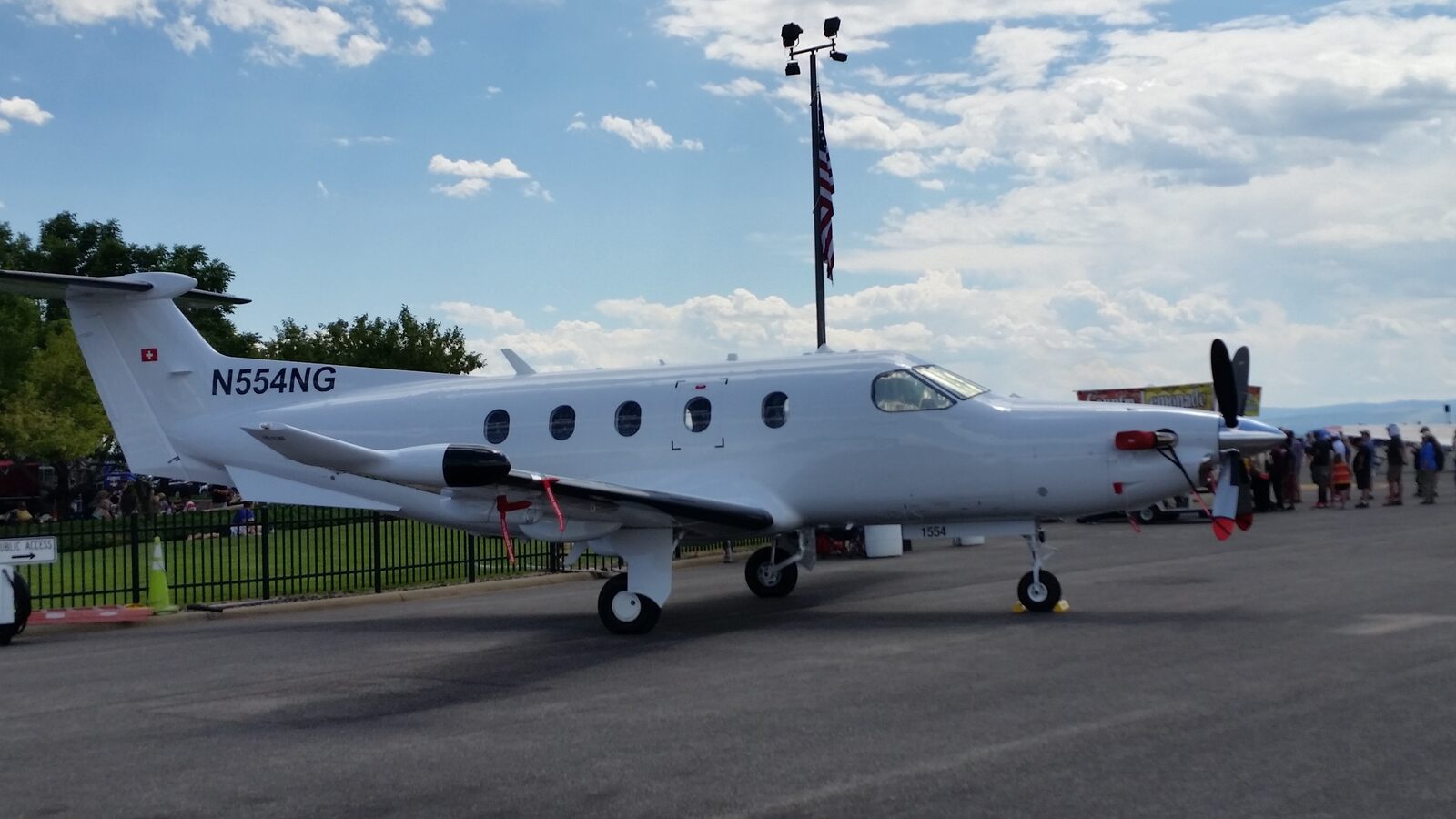
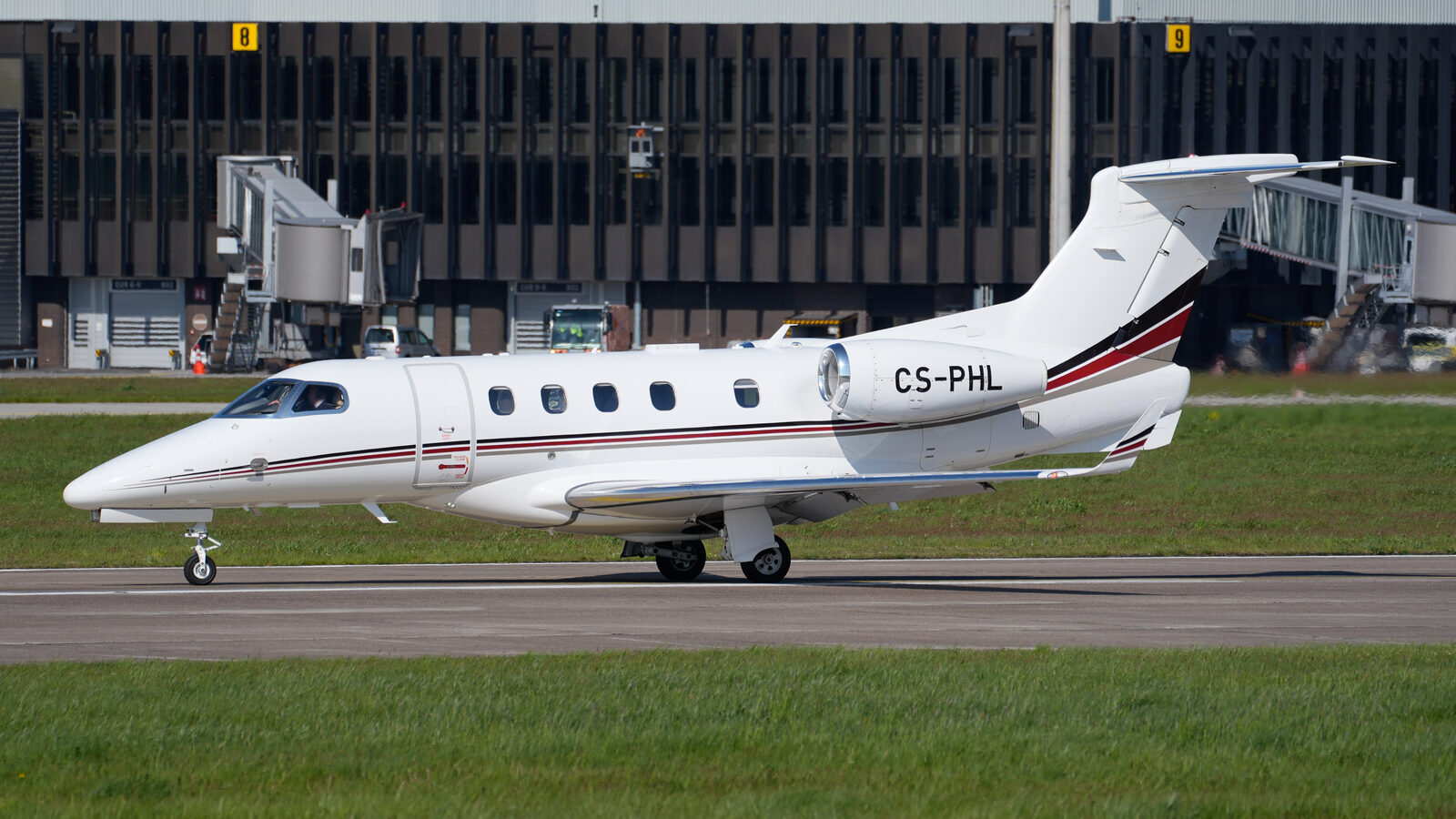
Im Inland ist Kolumbien ein natürlicher Markt für die private Luftfahrt, da das Gelände den Landverkehr langsam macht. Von Bogota nach Medellin sind es im Vergleich zu einer langen Bergfahrt 35 bis 45 Minuten in der Luft, und von Cartagena an der Karibikküste ist es etwas mehr als eine Stunde. Leichte Jets decken den größten Teil davon ab, wobei die Phenom 300 eine häufige Wahl ist, auch weil sie Abflüge in großer Höhe gut bewältigt. Cali, Barranquilla und die Kaffeeregion ergänzen das inländische Muster, und Turboprops übernehmen die kürzeren und raueren Streifen.
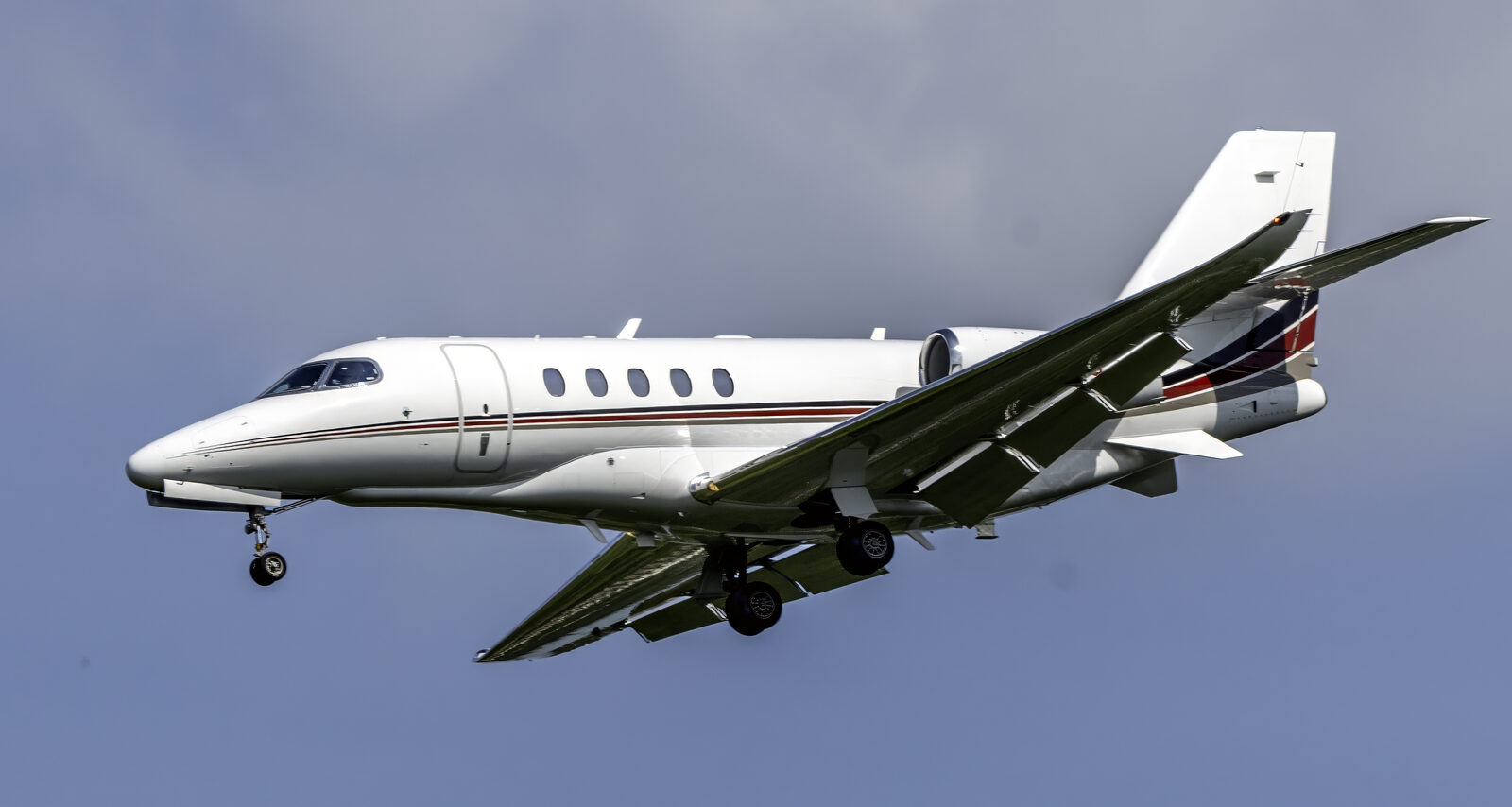
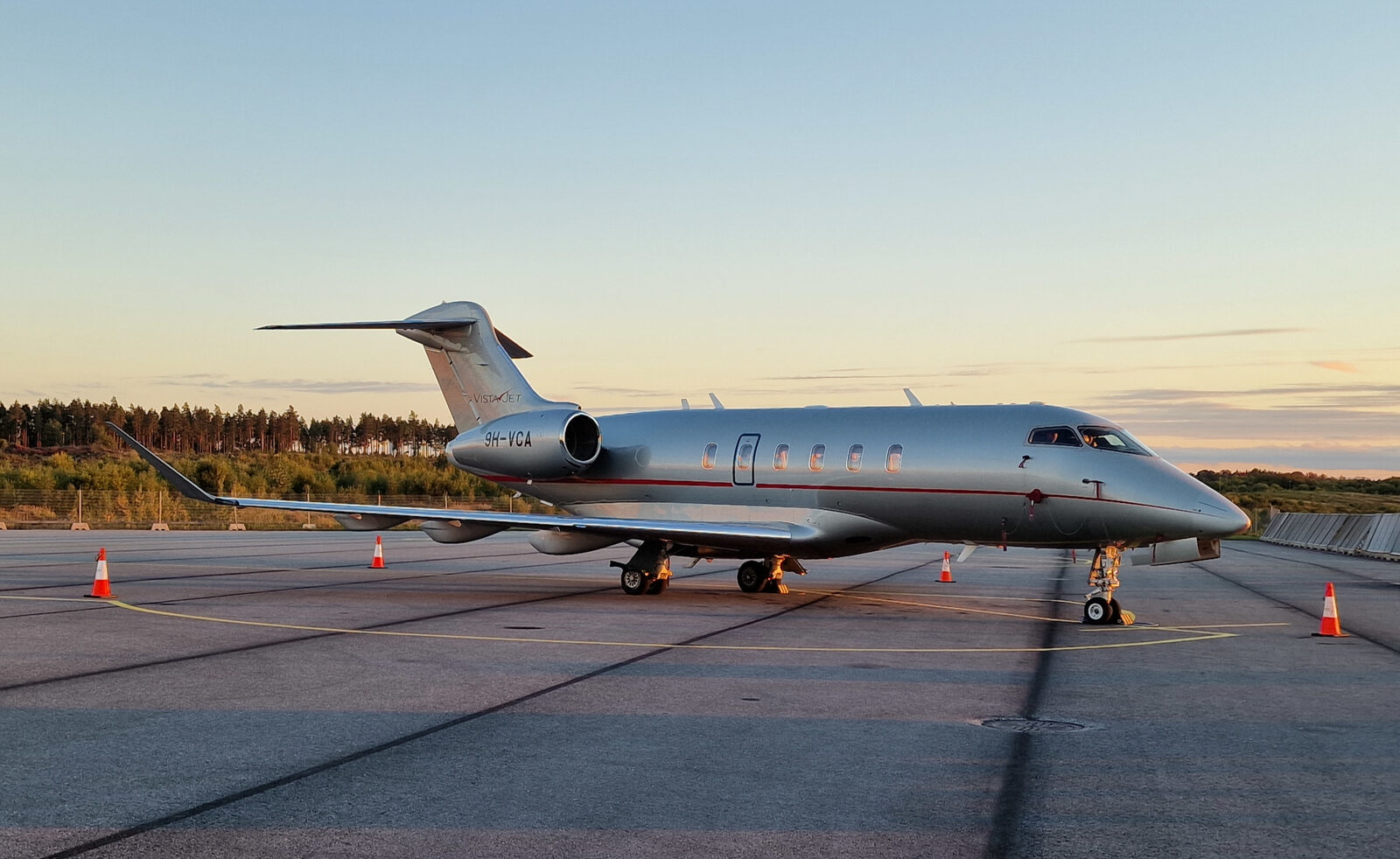
International ist der Referenzsektor Bogota nach Miami, etwa vier Stunden mit einem Super-Midsize-Flugzeug, und es ist auch der Korridor, der die nützlichsten Leerflüge produziert. Panama City, Lima, Mexiko-Stadt und Punta Cana machen den größten Teil des restlichen regionalen Flugverkehrs aus, während Santiago, Sao Paulo und New York in der Reichweite schwerer Jets liegen. Guaymaral am nördlichen Rand der Stadt wird zwar gesucht, ist aber keine Jet-Alternative: zwei Start- und Landebahnen mit einer Länge von 1.720 m und 1.920 m, kein IATA-Code und eine Rolle als Übungsplatz, was durch die Höhe noch verstärkt wird.